• Skip to primary navigation
  • Skip to main content
  • Skip to primary sidebar

TireTerrain

  • Home
  • Comparisons & Reviews
  • All-Terrain Tire Decision Tool
  • Pro Tips
  • About

toyo

Yokohama Geolandar AT4 vs Toyo Open Country AT3 — Wet-Road Safety or Sharper All-Round Performer? (2025)

Updated: November 30, 2025 by Emrecan Gurkan Leave a Comment

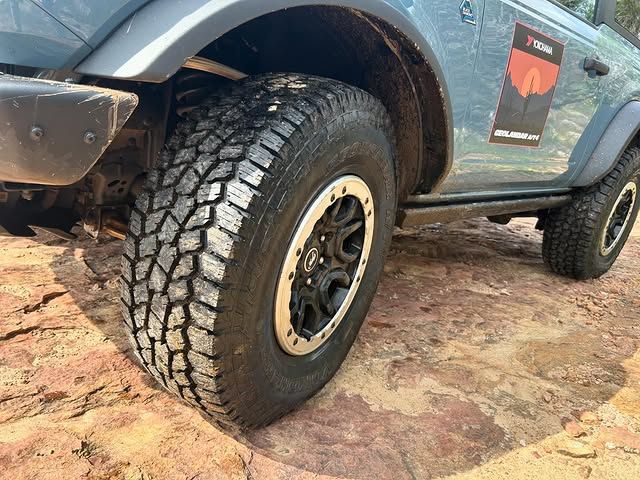
Close-up of a Yokohama Geolandar AT4 all-terrain tire mounted on a rugged SUV, parked on rocky terrain, showing aggressive tread pattern and black alloy wheel.
Yokohama Geolandar AT4 — engineered for the trail, tuned for the road. 🛞⛰️

For years, both the Yokohama Geolandar AT4 and Toyo Open Country AT3 have been popular choices across the US and Canada. Since testing both tires extensively, one thing has become clear: these tires serve fundamentally different purposes. The Yokohama Geolandar AT4 is built as an on-road AT tire focused on daily comfort and highway manners. The Toyo Open Country AT3, by contrast, has evolved into a genuine off-road AT tire with significantly improved wet performance and trail capability. As a former Bridgestone engineer, I’ve tracked how both tires have developed, and the gap between them has widened considerably. In this definitive comparison, I’ll dive into the test data, synthesize customer feedback, and offer my personal observations on which tire makes sense for your truck or SUV. Let’s roll.

Quick Look

Toyo Open Country A/T III

8.4/10
Toyo Open Country A/T III tire

Yokohama Geolandar A/T4

7.7/10
Yokohama Geolandar A/T4 tire

Toyo Open Country AT3 is built for off-road capability with serious wet performance. Its reinforced shoulders and staggered tread blocks resist flex, delivering sharp handling and 0.72g cornering grip. Stopping at 164 feet in wet conditions with 0.57g traction, it’s significantly improved over previous generations. Off-road scores of 8.8 dirt, 8.7 sand, 8.2 mud, and 8.2 rock show genuine trail competence, with owners consistently praising its snow traction and trail composure. The stiff casing delivers excellent durability and responsive feedback. Comfort sits at 6.0, reflecting the firmer construction and road hum. Yokohama Geolandar AT4 takes the opposite approach as an on-road AT focused on highway use, but it underdelivers. Despite its reputation for smooth predictability on long highway runs, wet performance lags at 177 feet with 0.52g traction, a 13-foot gap behind the Toyo. Off-road capability averages 7.35, suitable for light trails but clearly pavement-focused. Comfort is 5.75, actually lower than the Toyo despite the marketing emphasis on quiet manners. The Yokohama’s only real advantages are slightly better winter stopping at 71.85 feet and less aggressive dry braking at 141 feet. For most buyers, the Toyo offers better all-around performance.

    Raw Test Data

    Dry Performance: Toyo Takes the Edge

    On pavement, Toyo stops in 134 feet with 0.72g cornering, while Yokohama needs 141 feet with 0.70g. That 7-foot gap and slight cornering advantage show Toyo is more responsive and planted. The Toyo feels sharper and more road-tire-like in feedback, while Yokohama takes longer to settle but cruises smoothly once stable.

    Drivers echo the split. Toyo owners note it “takes feedback quickly” and feels confident through corners, while Geolandar drivers say it “stays composed and calm, never twitchy.” From my testing, Toyo’s reinforced shoulders and staggered tread blocks resist flex under cornering load, giving it that sharper edge. Yokohama’s softer compound and rib-focused design lean toward a calmer, less aggressive feel, prioritizing smooth highway cruising over sharp handling.

    For different trucks:

    • SUVs & crossovers: Yokohama feels smoother for daily commuting, but Toyo is more engaging.
    • ½-ton trucks: Toyo gives sharper response; Yokohama better for long highway stretches.
    • ¾-ton & HD trucks: Toyo stays steadier when loaded; Yokohama feels less locked-in with weight.

    👉 Verdict: Toyo delivers sharper dry response and better cornering grip. Yokohama steadies out at highway speed but lacks bite when you need it.

    Wet Performance: Toyo Wins Decisively

    Perfectly balanced tire

    In the rain, the gap is clear and significant. Toyo stops in 164 feet with 0.57g traction, while Yokohama needs 177 feet with just 0.52g. That’s a 13-foot advantage for the Toyo, a meaningful difference when conditions turn bad. Toyo also delivers stronger wet traction across the board, making it the safer choice in heavy rain.

    This is a complete reversal from the previous generation. Community feedback reflects the improvement: Toyo owners now report “confident in the rain, even loaded” and “grips well on slick pavement.” Yokohama drivers, by contrast, note it’s “adequate but not aggressive” in wet conditions. The explanation lies in Toyo’s compound improvement. The new formulation balances durability with wet grip, while Yokohama’s harder compound prioritizes tread life over wet adhesion.

    For different trucks:

    • SUVs & crossovers: Toyo is the safer choice in rainy climates.
    • ½-ton trucks: Toyo delivers better wet stopping and traction.
    • ¾-ton & HD trucks: Toyo stays more predictable under weight when roads are slick.

    👉 Verdict: Toyo wins wet performance decisively. The 13-foot stopping gap and stronger traction make it the clear choice for rain-prone regions. Yokohama falls short where on-road ATs should excel.

    Note from the Expert: When it comes to rain, I always emphasize two things: compound grip and water evacuation. You can see the full details in my analysis, but if you take just one thing away, remember that an AT tire’s stiff nature makes achieving top-tier wet performance a constant battle. This is why the question, Are All-Terrain Tires Good in Rain?, requires a nuanced answer that balances tread design against rubber stiffness.

    Winter Performance: Toyo Launches Better, Yokohama Stops Slightly Shorter

    In snow, Yokohama stops at 71.85 feet and launches in 47.79 feet, compared to Toyo’s 75.1 feet stop and 42.7 feet launch. That means Yokohama brakes about 3 feet shorter, but Toyo pulls away 5 feet quicker. In real use, Toyo feels more confident in deeper, unpacked snow thanks to its staggered shoulders and aggressive tread, while Yokohama is calmer on salted and plowed lanes.

    Driver feedback reflects the difference. Toyo owners call it “confident in winter, bites well in fresh snow,” while Geolandar users note it’s “safe and easy in winter, but not aggressive.” The design explains it: Toyo has dense siping and compound tuning to stay pliable in cold, while Yokohama keeps rubber firmer, trading deep-snow bite for stability on cleared roads.

    For different trucks:

    • SUVs & crossovers: Yokohama feels steadier on plowed commutes; Toyo better when snow piles up.
    • ½-ton trucks: Toyo wins when fresh snow covers roads.
    • ¾-ton & HD trucks: Toyo stronger under weight; Yokohama too muted for heavy snow use.

    👉 Verdict: Toyo is the better deep-snow performer with quicker launches. Yokohama’s only advantage is slightly shorter stopping on packed snow.

    Note from the Expert: Our discussions often boil down to the core tradeoff. On one hand, you must understand why all-terrain tires are truly effective in deep snow, but not on ice. On the other hand, you face the 3PMSF Paradox—the hidden cost of that badge. The short answer is: The 3PMSF badge certifies traction, but it costs you durability. Dive into our full analysis on the critical 3PMSF rating for severe winter and off-road service, and its hidden costs, before you risk your rig on the trail.

    Ice Performance: Toyo Edges Ahead, Both Have Limits

    Ice is where both tires show their limits. Toyo stops in 46.5 feet, while Yokohama stretches to 48.5 feet. That 2-foot gap is noticeable when you’re sliding on glassy surfaces. Toyo slides but gives you time to correct with progressive grip fade, while Yokohama feels like it fades away more suddenly.

    Drivers say it clearly: Toyo users admit it’s “fine if you’re careful, but not a studded alternative.” Yokohama owners echo: “not scary, but not a true ice tire.” The tech shows why: Toyo’s micro-siping and pliable compound keep a touch of grip, while Yokohama’s harder compound limits edge effect on glassy ice.

    For different trucks:

    • SUVs & crossovers: Both demand caution; Toyo is a bit safer.
    • ½-ton trucks: Toyo gives better recovery time on ice.
    • ¾-ton & HD trucks: Neither is ideal, but Toyo steadier under load.

    👉 Verdict: Toyo edges ahead with shorter stopping and more predictable grip fade, but neither tire is a go-to ice solution. If you face ice regularly, dedicated winter tires are the answer.

    Off-Road Performance: Toyo Dominates by a Wide Margin

    If you're changing from the H/T tires, Toyo AT3 can provide aggressive look. Still, I prefer Ridge Grappler

    Off-road scores make the split undeniable. Toyo posts 8.8 dirt / 8.7 sand / 8.2 mud / 8.2 rock, while Yokohama trails at 7.7 dirt / 7.4 sand / 7.1 mud / 7.2 rock. That’s more than a 1-point gap across every surface. Toyo is a genuine off-road tire that can tackle mixed trails confidently, while Yokohama is suitable for gravel roads and light dirt but clearly not built for serious trail use.

    Owners confirm it. Toyo users mention it “grabs in ruts and feels planted on loose terrain.” Geolandar drivers frame it differently: “fine on gravel, not for rock crawling, and that’s okay.” From an engineering perspective, Toyo’s reinforced casing and staggered tread blocks keep edges stiff under torque, while Yokohama’s lighter rib design reduces harshness on pavement but gives up trail aggression.

    For different trucks:

    • SUVs & crossovers: Yokohama for highway comfort; Toyo for trail weekends.
    • ½-ton trucks: Toyo is the solid choice for real off-road capability.
    • ¾-ton & HD trucks: Toyo holds together on rocks and mud; Yokohama underbuilt for punishment.

    👉 Verdict: Toyo dominates off-road with over 1 point higher on every surface. Yokohama is strictly for pavement and light gravel. If you actually use trails, this isn’t even close.

    Note from the Expert: Every successful day on the trail is about preparation and physics, because tire longevity is earned, not given. Before you even start, you must master the critical link between tire pressure and load range for every rig to maximize your contact patch. Once moving, remember your ultimate off-road armor is your sidewall protection against the inevitable pinch flat. And finally, your traction on the obstacle is dictated by choosing the right aggressive vs hybrid tread pattern for your terrain. Master those three steps, and your rig will be ready for anything.

    Comfort & Noise: Both Are Loud, Toyo Slightly Better

    Toyo AT3 has more blocky pattern and relatively stiffer compound. It lasts way much longer

    Here’s where the data surprises. Toyo scores 6.0 comfort, compared to Yokohama’s 5.75. Despite being marketed as the highway-focused tire, Yokohama is actually noisier and less comfortable than the Toyo. Both are on the louder end for AT tires (max in class is 7.33), but Toyo edges ahead.

    The difference is noticeable on long highway runs. Toyo has a firmer ride with road hum, especially on uneven pavement, but it’s not harsh. Yokohama is also noisy, and drivers note it doesn’t deliver the quiet comfort you’d expect from an on-road AT. Forum voices reflect the disappointment: Geolandar owners mention “more road noise than expected for a highway tire,” while Toyo owners acknowledge the “hum from the stiff casing but nothing annoying.”

    The explanation: Toyo’s reinforced construction transmits more feedback but stays planted. Yokohama’s design doesn’t effectively dampen noise despite the on-road focus.

    For different trucks:

    • SUVs & crossovers: Both are acceptably noisy; Toyo slightly better.
    • ½-ton trucks: Toyo wins on comfort despite being the off-road tire.
    • ¾-ton & HD trucks: Noise blends into road noise anyway; Toyo firmer but more stable.

    👉 Verdict: Toyo is slightly more comfortable at 6.0 vs 5.75. Ironically, the off-road tire beats the on-road tire on highway comfort. Both are loud for the AT category.

    Note from the Expert: For years, choosing all-terrain meant accepting noise—a true compromise for off-road grip. That’s why the question, Are All-Terrain Tires Louder than Highway Tires?, used to have a simple “yes” answer. Now, with the rise of on-road models, the core issue has shifted from noise to overall refinement. To fully understand which side of the comfort spectrum you’re buying into, you need to determine Are All-Terrain Tires Good for Daily Driving?—a question that depends entirely on the tire’s construction, not just the name.

    Who Should Buy Which Tire: Clear Choices Based on Real Use

    Yokohama Geolandar A/T4: Best fit for buyers who prioritize slightly better winter stopping on packed snow and don’t venture off pavement. It’s acceptable for daily commuting in areas with plowed winter roads, but it underdelivers on wet performance, comfort, and off-road capability compared to what you’d expect from an on-road AT. Honestly, unless winter stopping on packed snow is your top priority, there are better options in this category.

    Toyo Open Country A/T III: Suited for drivers who need genuine off-road capability, excellent wet performance, and versatile all-around use. Stronger in wet conditions (13-foot advantage), significantly better off-road (1+ point higher on every surface), superior on ice, and surprisingly more comfortable despite being the off-road-focused tire. Ideal for mountain states, anyone who actually uses trails, and trucks that see varied conditions. Works for SUVs, ½-ton, and ¾-ton trucks equally well.

    👉 Bottom line: The data tells a clear story. Toyo wins decisively in wet, off-road, ice, dry, and even comfort. Yokohama’s only advantage is 3 feet shorter stopping on packed snow. For most buyers, the Toyo is the better tire unless you specifically need that one winter metric and never drive in rain or off-road.

    Tire Size Selection: The Basics You Can’t Skip

    Even the best tread design can’t rescue a tire that’s built too weak. Back when I was testing tires at Bridgestone, I saw all-terrain models that should’ve performed but fell short — simply because the basics (size, load strength, and speed rating) weren’t matched to the vehicle.

    P-Metric vs. LT (Light Truck) Tires

    The first step is knowing whether you need LT or passenger tires. LT (Light Truck) tires are built with extra reinforcement and stiff sidewalls, designed for towing, hauling, or off-road use. Passenger (P-metric) tires are lighter, smoother, and tuned for daily comfort and fuel efficiency — but they’ll flex more under load.

    Understanding Tire Load Range: XL vs. E-Load

    Then comes the tire load index and load range — essentially your tire’s strength rating. Here’s where things split between passenger XL and LT E:

    • XL (Extra Load) is a passenger tire with reinforced sidewalls. It can handle a bit more pressure (~41 PSI) than a standard SL tire and is perfect for SUVs, crossovers, or light trucks that carry extra gear, passengers, or small trailers. XL tires ride softer and quieter than LT options, making them ideal for daily use.

    • E Load Range is an LT tire class built with a much thicker casing. E-rated tires can handle far more pressure (up to ~80 PSI) and heavier loads, which makes them essential for ¾-ton and 1-ton trucks towing trailers or hauling close to max capacity. The trade-off is weight, stiffer ride, more road noise, and a small drop in fuel efficiency.

    Put simply: XL is for “extra luggage and family,” while E is for “truck bed full of bricks or a car trailer.”

    Why the Tire Speed Rating Matters for Safety

    Finally, don’t overlook the tire speed rating. It’s not just about top speed — it measures how well a tire handles heat and stress at highway pace. Lower ratings (like S) tend to ride softer and last longer, while higher ratings (H, T) feel more stable and responsive under sharp maneuvers. Heat build-up is the silent killer of tires, and speed rating is your safeguard.

    Bottom line: Match your tire’s construction (LT vs P-metric), load range (XL vs E), and speed rating to your vehicle’s demands. Get those right, and everything else — off-road grip, winter traction, comfort — will finally perform the way it was designed to.

    Who Should Buy Which Tire: The Data Tells a Clear Story

    If you value better wet performance, stronger off-road capability, superior ice stopping, and surprisingly better comfort, the Toyo Open Country AT3 is the clear choice. It stops 13 feet shorter in the wet, scores over 1 point higher on every off-road surface, handles ice better at 46.5 feet versus 48.5 feet, and even rates higher on comfort (6.0 vs 5.75). It’s ideal for anyone who drives in rain, uses trails regularly, faces winter conditions, or needs a genuinely versatile tire.

    If you specifically need slightly better stopping on packed snow (71.85 ft vs 75.1 ft) and never drive in rain, off-road, or on ice, the Yokohama Geolandar A/T4 could work. But honestly, that’s a very narrow use case. The Yokohama underdelivers as an on-road AT by losing on wet performance and comfort, the two things it should excel at.

    For different buyers:

    • Rain-prone regions (Southeast, Pacific Northwest): Toyo wins decisively with 13-foot wet advantage
    • Snow-belt states: Toyo better on ice and snow acceleration; Yokohama only edges on packed snow stopping
    • Off-road use (even occasionally): Toyo is the only real option
    • Pure highway commuting with plowed winter roads: Yokohama’s only viable scenario

    👉 Bottom line: The Toyo is the better tire for most buyers. It beats the Yokohama in wet, off-road, ice, dry handling, and comfort. Yokohama’s single advantage (3 feet on packed snow stopping) doesn’t justify its weaknesses everywhere else.

    Frequently Asked Questions: Toyo Open Country A/T III vs Yokohama Geolandar A/T4

    • Which tire has better dry grip?
      The Toyo Open Country AT3 stops in 134 feet with 0.72g cornering, while Yokohama needs 141 feet with 0.70g. Toyo is sharper and more responsive on pavement.

    • Which tire is safer in wet conditions?
      Toyo wins decisively, stopping in 164 feet with 0.57g traction versus Yokohama's 177 feet and 0.52g. That's a 13-foot advantage for the Toyo in heavy rain.

    • Which tire performs better in snow?
      Yokohama stops 3 feet shorter on packed snow (71.85 ft vs 75.1 ft), but Toyo launches 5 feet quicker (42.7 ft vs 47.79 ft) and handles deeper snow better.

    • Which tire is safer on ice?
      Toyo stops 2 feet shorter at 46.5 feet versus Yokohama's 48.5 feet, with more progressive grip fade that gives drivers better recovery time.

    • Which tire is stronger off-road?
      Toyo dominates with 8.8 dirt, 8.7 sand, 8.2 mud, and 8.2 rock versus Yokohama's 7.7, 7.4, 7.1, and 7.2. Toyo is over 1 point higher on every surface.

    • Which tire is quieter on the highway?
      Toyo scores 6.0 for comfort versus Yokohama's 5.75. Despite being marketed as the highway tire, Yokohama is actually noisier and less comfortable.

    • Who should choose the Toyo Open Country AT3?
      Anyone who drives in rain, uses trails, faces winter conditions, or needs versatile performance. Toyo wins in wet, off-road, ice, dry, and comfort.

    • Who should choose the Yokohama Geolandar A/T4?
      Buyers who specifically need slightly better stopping on packed snow and never encounter rain, ice, or off-road conditions. A very narrow use case.

    Filed Under: All Terrain Tires Tagged With: Comparisons, Open Country AT3, toyo, yokohama, Yokohama Geolandar AT4

    Toyo AT3 vs Nitto Terra Grappler G3 — Winter Grip vs Daily Comfort in 2025

    Updated: November 11, 2025 by Emrecan Gurkan Leave a Comment

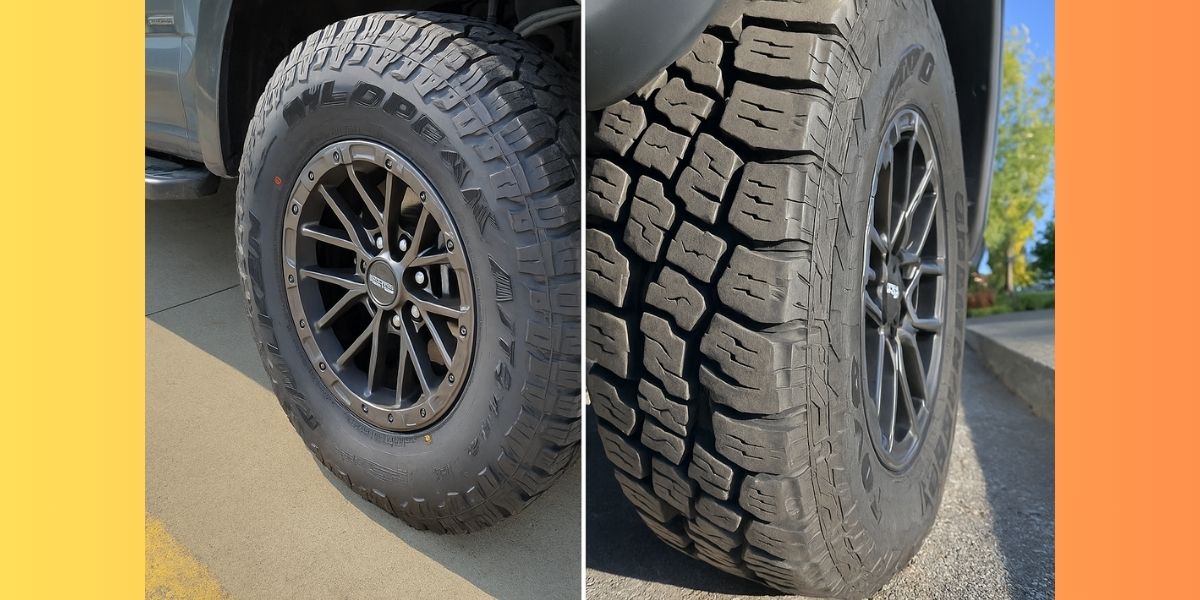
    A closer look to Toyo Open Country AT3. Sipes works perfectly on light snow conditions
    A closer look to Toyo Open Country AT3. Sipes works perfectly on light snow conditions
    If you're changing from the H/T tires, Toyo AT3 can provide aggressive look. Still, I prefer Ridge Grappler
    If you're changing from the H/T tires, Toyo AT3 can provide aggressive look. Still, I prefer Ridge Grappler
    A weared Nitto Terra Grappler G2 and brand new Nitto Terra Grappler G3
    A weared Nitto Terra Grappler G2 and brand new Nitto Terra Grappler G3

    Real-world test data, technical breakdowns, and use-case recommendations — from a former Bridgestone test engineer.

    The Nitto Terra Grappler G3 fits squarely in the On-Road A/T category, designed for daily-driven SUVs and light trucks that value wet-road confidence, winter traction, and highway comfort. It’s versatile enough for weekend gravel runs but not built for hardcore trails. The Toyo Open Country AT3, by contrast, is a more aggressive Off-Road A/T tire, tuned for stronger dry cornering, sharper steering response, and dependable wet grip. It holds its own off pavement, making it a better fit for drivers who split time between city commutes and light-to-moderate trail use. Both are available with snow-certified 3PMSF ratings, giving them year-round credibility.

    That’s the trade-off — Terra Grappler G3 for comfort-first drivability vs Toyo AT3 for a sharper, more trail-capable balance. In the sections ahead, I’ll show how they compare across dry, wet, snow, and off-road testing. You can also line them up directly in our All-Terrain Tire Decision Tool for quick recommendations tailored by SUV, CUV, or truck class.

    🔍Quick Look

    Toyo Open Country A/T III

    Toyo Open Country A/T III tire
    Tested Rating: 8.5/10

    Trusted Retailers with Best Deals:

    Tire Rack
    Free road-hazard coverage Backed by Discount Tire
    SimpleTire
    Financing options Local installers
    Amazon
    Prime shipping Direct from brands

    Nitto Terra Grappler G3

    Nitto Terra Grappler G3 tire
    Tested Rating: 8.6/10

    Trusted Retailers with Best Deals:

    Tire Rack
    Free road-hazard coverage Backed by Discount Tire
    SimpleTire
    Financing options Local installers
    Amazon
    Prime shipping Direct from brands

    The Toyo Open Country A/T III comes off as the athlete of the two, cornering at 0.78 g with a 131.5-ft dry stop and digging deeper into off-road terrain. It shines in snow with a 74-ft stop and 44-ft launch, and handles ice with more predictability than its spec sheet suggests. Drivers praise its sharper steering feel and stronger grip, while its reinforced shoulders and dense siping make it more confident under load and in rough weather. Firmer on pavement, the Toyo trades a bit of refinement for year-round traction and trail credibility. The Nitto Terra Grappler G3, by contrast, favors the smooth and steady lane. With a 127-ft dry stop and 158-ft wet stop, it surprises with short braking distances and quiet highway manners (8.0/10 comfort). Owners highlight its stability, comfort, and “no drama” behavior in storms, though snow and deeper off-road use expose its limits. Built with a firmer compound and milder tread, the G3 suits commuters and suburban drivers who want predictable braking, quiet rides, and light gravel ability, but don’t often venture into mud or packed snow.

      Raw Test Data

      Tire Test Data

      Pick categories to show metrics, then open ☰ to pick tires. Optional chart is hidden by default.

      Parentheses show the rank among the currently displayed tires (1 = best for that metric).
      Left axis lists metrics. Top axis is used for g-force metrics so they scale clearly.
      Note: Lower is better for Stopping & Acceleration; higher is better for g-force, comfort, traction & off-road ratings. Parentheses show the rank among the currently displayed tires (1 = best for that metric).
      Sources worth checking
      Tire Rack AT Tire Test Tire Rack On-Road A/T Ratings Tire Rack Off-Road A/T Ratings SimpleTire Reviews Amazon SUV/LT Tires

      Dry Performance — Toyo bites harder, G3 steadies under load

      Beefy sidewalls of Toyo AT3

      On the numbers, Toyo A/T III stops at 131.5 ft with 0.78 g cornering, while G3 clocks 127 ft with 0.74 g. The shorter stop belongs to G3, but the higher cornering g goes to Toyo — meaning G3 slams the brakes well in a straight line, Toyo feels sportier when carving turns.

      Owners back it up: Toyo drivers often praise how “stable and sharp” it feels for an all-terrain, comparing it to mild highway tires in dry grip. G3 users emphasize the opposite — “quiet, smooth, stable, no drama,” prioritizing comfort over flash.

      Engineering angle: Toyo’s staggered shoulders and reinforced carcass reduce tread squirm, making it sharper in cornering loads. G3 spreads rubber more evenly across the contact patch, explaining the shorter braking number, especially unloaded.

      • SUVs & crossovers: G3 smoother, Toyo sharper.

      • ½-tons: Toyo gives more cornering confidence; G3 predictable and safe.

      • ¾-tons & HD trucks: G3 calmer under weight; Toyo still confident but less forgiving with trailers.

      👉 Verdict: Toyo the athlete in corners, G3 the steady hand on straights.

      Wet Performance — G3 surprises, Toyo trades grip for toughness

      Wet data flips the story: Toyo stops at 185 ft with 0.50 traction, G3 at 158 ft with 0.57 traction. That’s a big gap — G3 clearly brakes better and grips earlier on slick roads.

      Community impressions fit: Toyo owners admit “needing more distance in heavy rain,” while G3 users say the tire “handles storms with no drama and stays quiet doing it.”

      Engineering view: Toyo prioritizes compound durability — it uses a firmer blend that resists wear but sacrifices adhesion in water films. G3’s footprint keeps more rubber engaged in straight stops, and its siping + groove layout give it more braking bite.

      • SUVs & crossovers: G3 is the safer rain choice.

      • ½-tons: G3 again wins rain confidence; Toyo requires more margin.

      • ¾-tons & HD trucks: G3 stops shorter, though Toyo holds line under weight.

      👉 Verdict: G3 is the better wet-weather tire, Toyo lags here.

      Note from the Expert: When it comes to rain, I always emphasize two things: compound grip and water evacuation. You can see the full details in my analysis, but if you take just one thing away, remember that an AT tire’s stiff nature makes achieving top-tier wet performance a constant battle. This is why the question, Are All-Terrain Tires Good in Rain?, requires a nuanced answer that balances tread design against rubber stiffness.

      Winter & Snow — Toyo predictable, G3 fades when packed

      In snow, Toyo stops at 74 ft and launches in 44.0 ft, while G3 takes 86.9 ft and 45.2 ft. That makes Toyo clearly the stronger winter performer.

      Drivers reinforce this: Toyo owners praise it as “one of the best all-terrain snow tires,” while G3 owners say it’s “fine when new” but traction fades as tread hardens.

      Engineering take: Toyo’s siping density and compound stay pliable at freezing, giving strong bite on packed snow. G3’s compound stiffens faster, which helps wear but reduces snow grip — especially once tread blocks lose their edges.

      • SUVs & crossovers: Toyo better winter safety.

      • ½-tons: Toyo a snow-belt pick, G3 acceptable in light winter.

      • ¾-tons & HD trucks: Toyo steadier, G3 needs patience.

      👉 Verdict: Toyo wins convincingly in real winter duty.

      Note from the Expert: Our discussions often boil down to the core tradeoff. On one hand, you must understand why all-terrain tires are truly effective in deep snow, but not on ice. On the other hand, you face the 3PMSF Paradox—the hidden cost of that badge. The short answer is: The 3PMSF badge certifies traction, but it costs you durability. Dive into our full analysis on the critical 3PMSF rating for severe winter and off-road service, and its hidden costs, before you risk your rig on the trail.

      Ice — Both need care, Toyo grips earlier

      On ice, Toyo stops at 50 ft, G3 at 47.8 ft. The numbers are close, but real-world feedback tilts Toyo’s way: drivers say it gives “more predictable control and smoother braking feel” in slick mornings.

      Engineering note: G3’s firmer rubber means less micro-edge adhesion; it may occasionally stop in a similar distance but feels less communicative in slides. Toyo’s more siped tread makes corrections easier.

      • SUVs & crossovers: Toyo better margin.

      • ½-tons: Both need caution, Toyo inspires more trust.

      • ¾-tons & HD trucks: Toyo steadier, G3 more abrupt.

      👉 Verdict: Toyo safer on ice patches, G3 functional but less secure.

      Off-Road — Toyo digs in, G3 smooth on gravel

      Dataset shows Toyo at 7.8 dirt / 7.7 sand / 7.9 mud / 7.8 rock, while G3 posts 6.8 / 6.8 / 6.5 / 6.7. Toyo’s advantage is clear in tougher off-road, though both are road-leaning compared to true off-road A/Ts.

      Community notes: G3 owners say they “stick to gravel and fire roads, no rock crawling,” while Toyo users highlight its grip in dirt and mud as “surprisingly strong for a tire that rides so well on highway.”

      Engineering take: Toyo’s tie-bars and reinforced tread keep lugs biting when loaded in mud or rock. G3 lacks that reinforcement, making it comfortable but less suited when torque digs deep.

      • SUVs & crossovers: G3 pleasant on gravel; Toyo ready for mild trails.

      • ½-tons: Toyo adds confidence off-road; G3 best for highway + light dirt.

      • ¾-tons & HD trucks: Toyo’s reinforced carcass makes it more reliable; G3 not built for punishment.

      👉 Verdict: Toyo is the stronger off-road partner; G3 prioritizes comfort.

      Note from the Expert: Every successful day on the trail is about preparation and physics, because tire longevity is earned, not given. Before you even start, you must master the critical link between tire pressure and load range for every rig to maximize your contact patch. Once moving, remember your ultimate off-road armor is your sidewall protection against the inevitable pinch flat. And finally, your traction on the obstacle is dictated by choosing the right aggressive vs hybrid tread pattern for your terrain. Master those three steps, and your rig will be ready for anything.

      Comfort & Noise — G3 wins hush, Toyo more rugged

      Comfort numbers: G3 8.0/10, Toyo 8.0/10 — tied on paper. But owners notice differences: G3 praised as “dead quiet, smooth like stock tires,” while Toyo is described as “quiet for an A/T, but firmer, with a little growl.”

      Engineering view: G3’s symmetric tread and lower void shoulders cancel resonance better. Toyo’s deeper biting edges give more feedback, but also transfer more road feel into the cabin.

      • SUVs & crossovers: G3 wins refinement.

      • ½-tons: G3 smoother, Toyo fine if you accept firmer ride.

      • ¾-tons & HD trucks: Noise less critical, both acceptable.

      👉 Verdict: G3 is the quiet highway cruiser; Toyo rides firmer with a bit more hum.

      Note from the Expert: For years, choosing all-terrain meant accepting noise—a true compromise for off-road grip. That’s why the question, Are All-Terrain Tires Louder than Highway Tires?, used to have a simple “yes” answer. Now, with the rise of on-road models, the core issue has shifted from noise to overall refinement. To fully understand which side of the comfort spectrum you’re buying into, you need to determine Are All-Terrain Tires Good for Daily Driving?—a question that depends entirely on the tire’s construction, not just the name.

      Where They Fit Best + Regional Notes

      • Nitto Terra Grappler G3: Perfect for commuters in mild climates — Southeast, Sun Belt, suburban West — who want quiet, predictable manners, strong wet stopping, and towing stability. Great if your “off-road” means gravel or job sites, not mud runs.

      • Toyo Open Country A/T III: Better for snow-belt states, mountain passes, and mixed use drivers. More winter-capable, sharper in corners, and confident in real trail use. A fit for SUVs and trucks that need versatility year-round.

      👉 Bottom line: G3 is the quiet, steady choice for highway life with occasional dirt. Toyo A/T III gives more edge in snow, trails, and dry grip — at the cost of some refinement.

      Tire Size Selection: The Basics You Can’t Skip

      Even the best tread design can’t rescue a tire that’s built too weak. Back when I was testing tires at Bridgestone, I saw all-terrain models that should’ve performed but fell short — simply because the basics (size, load strength, and speed rating) weren’t matched to the vehicle.

      P-Metric vs. LT (Light Truck) Tires

      The first step is knowing whether you need LT or passenger tires. LT (Light Truck) tires are built with extra reinforcement and stiff sidewalls, designed for towing, hauling, or off-road use. Passenger (P-metric) tires are lighter, smoother, and tuned for daily comfort and fuel efficiency — but they’ll flex more under load.

      Understanding Tire Load Range: XL vs. E-Load

      Then comes the tire load index and load range — essentially your tire’s strength rating. Here’s where things split between passenger XL and LT E:

      • XL (Extra Load) is a passenger tire with reinforced sidewalls. It can handle a bit more pressure (~41 PSI) than a standard SL tire and is perfect for SUVs, crossovers, or light trucks that carry extra gear, passengers, or small trailers. XL tires ride softer and quieter than LT options, making them ideal for daily use.

      • E Load Range is an LT tire class built with a much thicker casing. E-rated tires can handle far more pressure (up to ~80 PSI) and heavier loads, which makes them essential for ¾-ton and 1-ton trucks towing trailers or hauling close to max capacity. The trade-off is weight, stiffer ride, more road noise, and a small drop in fuel efficiency.

      Put simply: XL is for “extra luggage and family,” while E is for “truck bed full of bricks or a car trailer.”

      Why the Tire Speed Rating Matters for Safety

      Finally, don’t overlook the tire speed rating. It’s not just about top speed — it measures how well a tire handles heat and stress at highway pace. Lower ratings (like S) tend to ride softer and last longer, while higher ratings (H, T) feel more stable and responsive under sharp maneuvers. Heat build-up is the silent killer of tires, and speed rating is your safeguard.

      Bottom line: Match your tire’s construction (LT vs P-metric), load range (XL vs E), and speed rating to your vehicle’s demands. Get those right, and everything else — off-road grip, winter traction, comfort — will finally perform the way it was designed to.

      Conclusion

      If you drive in snow-belt states or mountain regions and want an all-terrain that can truly serve year-round, the Toyo A/T III is the clear choice. It grips harder in snow and ice, corners sharper on dry roads, and adds enough off-road toughness to tackle real trails.

      For drivers in the Southeast, Sun Belt, or suburban climates where winters are light and comfort matters most, the Nitto Terra Grappler G3 is the smarter pick. It brakes shorter in the wet, runs whisper-quiet on highways, and delivers stable towing and commuting without excess hum.

      👉 Bottom line: Toyo A/T III is the versatile, winter-capable athlete; G3 is the smooth, quiet commuter tire for mild-weather highways.

      Frequently Asked Questions: Toyo Open Country A/T III vs Nitto Terra Grappler G3

      • Which tire stops shorter on dry pavement?
        The Nitto G3 stops shorter at 127 ft, while Toyo comes in at 131.5 ft with stronger cornering grip.

      • How do they compare in wet conditions?
        Nitto G3 performs better, stopping at 158 ft with 0.57 traction compared to Toyo’s 185 ft and 0.50 traction.

      • Which tire is stronger in snow?
        Toyo wins, stopping at 74 ft and launching in 44 ft, while Nitto trails at 86.9 ft and 45.2 ft.

      • How do they perform on ice?
        The numbers are close (G3 at 47.8 ft, Toyo at 50 ft), but drivers report Toyo feels more predictable and secure in steering.

      • Which tire is better off-road?
        Toyo clearly outperforms with higher dirt, mud, sand, and rock scores, while Nitto is more comfortable on gravel and light trails.

      • Which tire is quieter on highways?
        Nitto G3 is quieter and smoother, often compared to stock tires, while Toyo rides firmer with a bit more hum.

      • Who should choose the Toyo A/T III?
        Drivers in snow-belt or mountain regions, or those who need a tire for real trail use and year-round versatility.

      • Who should choose the Nitto G3?
        Commuters in mild climates who value quiet, comfort, and strong wet stopping for highway driving.

      Filed Under: All Terrain Tires Tagged With: Comparisons, nitto, nitto terra grappler g3, Open Country AT3, toyo

      Toyo AT3 vs BFGoodrich KO3 — Daily Comfort vs Winter & Off-Road Strength in 2025

      Updated: November 11, 2025 by Emrecan Gurkan Leave a Comment

      Fresh BFGoodrich All-Terrain T/A KO3 tire stacked in a workshop, with size label LT285/70R17 visible, showcasing aggressive tread pattern for off-road and all-weather traction.
      Fresh from the rack — BFGoodrich KO3, ready for your next adventure.
      If you're changing from the H/T tires, Toyo AT3 can provide aggressive look. Still, I prefer Ridge Grappler
      If you're changing from the H/T tires, Toyo AT3 can provide aggressive look. Still, I prefer Ridge Grappler

      Real-world test data, driver impressions, and technical breakdowns — from a former Bridgestone test engineer.

      The BFGoodrich KO3 is BFG’s latest Off-Road A/T tire, evolving the KO2 with stronger sidewalls, better chip resistance, and improved cold-weather pliability. It’s snow-certified with the 3PMSF rating and designed for drivers tackling heavy loads, rocky terrain, and year-round off-road abuse. For the full upgrade story, see my BFGoodrich KO3 vs KO2 breakdown. By contrast, the Toyo Open Country AT3 leans toward the On-Road A/T category, refined for daily-driven trucks and SUVs with confident wet grip, stable snow and ice performance, and a smoother highway ride than most all-terrains. While KO3 prioritizes durability and trail control, the AT3 focuses on pavement comfort and light dirt versatility.

      That’s the trade-off — KO3 for toughness under load vs Toyo AT3 for refinement and daily drivability. In the sections ahead, I’ll show how they compare in dry, wet, snow, and off-road testing. You can also line them up directly in our All-Terrain Tire Decision Tool for quick recommendations tailored by SUV, CUV, or truck class.

      Quick Take

      BFGoodrich All-Terrain T/A KO3

      BFGoodrich KO3 tire
      Tested Rating: 8.5/10

      Trusted Retailers with Best Deals:

      Tire Rack
      Free road-hazard coverage Backed by Discount Tire
      Amazon
      Prime shipping Direct from brands

      Toyo Open Country A/T III

      Toyo Open Country A/T III tire
      Tested Rating: 8.5/10

      Trusted Retailers with Best Deals:

      Tire Rack
      Free road-hazard coverage Backed by Discount Tire
      SimpleTire
      Financing options Local installers
      Amazon
      Prime shipping Direct from brands

      The Toyo Open Country A/T III is the nimble daily-driver A/T, delivering sharper dry grip (131.5-ft stop, 0.78 g), safer rain confidence (185 ft, 0.50 g), and a smoother, quieter ride (8.0/10). It feels like a street sneaker disguised as an all-terrain — lively on commutes, calm in light snow (74-ft stop, 44-ft launch), and easy to live with over 45–55k miles. The BFGoodrich All-Terrain T/A KO3 is the durability-first tank, steadier on packed winter roads (72.3-ft stop), gripping earlier on ice (46.2 ft), and delivering benchmark off-road bite (9.5 dirt / 9.5 sand / 9.2 mud / 9.5 rock). It asks for more braking margin in storms (184 ft, 0.46 g) and rides firmer (~7.5/10), but shrugs off towing weight, rocky trails, and abuse that wear down lighter A/Ts.

        Raw Test Data

        Tire Test Data

        Pick categories to show metrics, then open ☰ to pick tires. Optional chart is hidden by default.

        Parentheses show the rank among the currently displayed tires (1 = best for that metric).
        Left axis lists metrics. Top axis is used for g-force metrics so they scale clearly.
        Note: Lower is better for Stopping & Acceleration; higher is better for g-force, comfort, traction & off-road ratings. Parentheses show the rank among the currently displayed tires (1 = best for that metric).
        Sources worth checking
        Tire Rack AT Tire Test Tire Rack On-Road A/T Ratings Tire Rack Off-Road A/T Ratings SimpleTire Reviews Amazon SUV/LT Tires

        Dry Performance — AT3 feels nimble, KO3 steadies the load

        Close-up of BF Goodrich KO2 tire tread showing aggressive shoulder blocks and deep voids, highlighting off-road traction design.
        BFGoodrich KO2 features a more aggressive tread pattern than the Toyo AT3—ideal for deep mud and rock crawling, but louder and stiffer on-road. Not load as KO2, of courser!

        On pavement, the Toyo AT3 stops in 131.5 ft with 0.78 g cornering, while the KO3 trails at 140 ft and 0.72 g. That shows up behind the wheel: AT3 feels quick to react, almost like it’s wearing sneakers built for the street. KO3 takes longer to bite but settles the truck with more authority once you’re carrying weight.

        Forum chatter reflects the same. AT3 drivers say it “steers like a road tire with A/T looks,” while KO3 owners call it “predictable, never sporty, but dead-straight when you’re towing.” From an engineering perspective, the difference comes down to structure. AT3 uses tie-bars and a staggered block layout that limit squirm, giving it that crisp initial turn-in. KO3’s heavier casing and deeper lugs carry more mass, which blunts agility but acts like a stabilizer bar when the truck is loaded.

        • SUVs & crossovers: AT3 feels sharper and easier to guide.

        • ½-ton trucks: AT3 better for daily agility, KO3 steadier with trailers.

        • ¾-ton & HD trucks: KO3 the safer, calmer choice.

        👉 Verdict: AT3 wins daily sharpness; KO3 steadies rigs under load.

        Wet Performance — AT3 digs in sooner, KO3 tracks straighter

        In the rain, AT3 runs a 185-ft stop with 0.50 traction, while KO3 stretches to 184 ft with 0.46. The numbers look close, but the feel isn’t. AT3 bites earlier, giving the sense of cleats grabbing wet turf. KO3 slides longer before gripping, but once you’re under weight, it feels like a keel keeping the truck straight through a storm.

        Drivers confirm this. AT3 owners praise its “confidence in corners during a downpour,” while KO3 users admit it “needs more room, but never wanders with a trailer.” The reason is clear: Toyo leans on silica-rich rubber and dense siping that stay pliable in the wet, producing more micro-edges to cut through water film. KO3 uses a harder, chip-resistant mix—less adhesive on slick asphalt, but its rigid carcass prevents sway when the chassis is loaded.

        • SUVs & crossovers: AT3 the safer rain tire.

        • ½-tons: AT3 hooks earlier; KO3 steadier with payloads.

        • ¾-ton & HD trucks: KO3 better margin for towing in the wet.

        👉 Verdict: AT3 inspires more confidence in rain; KO3 steadies storms under load.

        Note from the Expert: When it comes to rain, I always emphasize two things: compound grip and water evacuation. You can see the full details in my analysis, but if you take just one thing away, remember that an AT tire’s stiff nature makes achieving top-tier wet performance a constant battle. This is why the question, Are All-Terrain Tires Good in Rain?, requires a nuanced answer that balances tread design against rubber stiffness.

        Winter & Snow — AT3 livelier in light snow, KO3 calmer on pack

        Split-screen image showing snow tracks side by side: the left track made by BFGoodrich All-Terrain T/A KO3 and the right track by Toyo Open Country AT3, highlighting tread imprint depth and snow compaction.
        KO3 vs AT3 in the snow — deeper bite or smoother ride, the tracks tell the story. ❄️🛞

        When the snow hits, AT3 posts ~74 ft stops and 44 ft launches, while KO3 shortens braking to 72.3 ft but launches slower at 46.4 ft. Translation: AT3 feels more eager to get moving in shallow snow or slush, KO3 steadier when it’s time to stop on polished winter roads.

        Community chatter matches. AT3 drivers note it “grabs early pulling away in the neighborhood,” while KO3 fans highlight “confidence braking in salted highways.” I noticed the same—AT3 felt like it had more pep in fresh, shallow powder; KO3 felt calmer when I pressed the pedal on packed lanes. The engineering why? AT3’s siping density and pliable compound make it bite fast, but its lighter carcass flexes more under load. KO3’s interlocking lugs resist closing up under braking, keeping grip steadier on hardpack.

        • SUVs & crossovers: AT3 for light winter commutes; KO3 more stable when snow lingers.

        • ½-tons: AT3 livelier on slushy streets, KO3 safer for mixed city/highway use.

        • ¾-ton & HD trucks: KO3 steadier under weight.

        👉 Verdict: AT3 shines in shallow and slushy snow; KO3 steadier on packed winter roads.

        Note from the Expert: Our discussions often boil down to the core tradeoff. On one hand, you must understand why all-terrain tires are truly effective in deep snow, but not on ice. On the other hand, you face the 3PMSF Paradox—the hidden cost of that badge. The short answer is: The 3PMSF badge certifies traction, but it costs you durability. Dive into our full analysis on the critical 3PMSF rating for severe winter and off-road service, and its hidden costs, before you risk your rig on the trail.

        Ice — AT3 catches quicker, KO3 slides more predictably

        On ice, KO3 stops in 46.2 ft, AT3 around 50 ft, but feel matters more than numbers. AT3 gives earlier bite pulling away from stoplights, almost like winter cleats finding grip on a frozen sidewalk. KO3 doesn’t hook as fast, but when it slides, it does so in a long, linear way that’s easier to correct—critical when weight is behind you.

        Owners echo it: AT3 “better for icy intersections,” KO3 “not magic, but more predictable with speed.” The compound story explains it: AT3 stays softer near freezing, KO3 stiffer but steadier under momentum.

        • SUVs & crossovers: AT3 better for icy starts and stops.

        • ½-tons: AT3 feels livelier; KO3 safer at highway speeds.

        • ¾-ton & HD trucks: KO3 steadier for ice with trailers.

        👉 Verdict: AT3 grabs faster in city ice; KO3 safer in highway or towing conditions.

        Off-Road — KO3’s armor vs AT3’s weekend trail manners

        Off-road scores paint the picture: KO3 at 9.5 dirt/sand/rock and 9.2 mud, while AT3 stays near 7.8–7.9 across conditions. KO3 is built for punishment—think steel-toed boots stomping through gravel. AT3 is more like hiking shoes: fine for hardpack trails, but not for rock crawling or ruts.

        Trail users back it up. AT3 drivers call it “solid for gravel and forest service roads,” while KO3 fans call it “the one tire that doesn’t chunk under sharp rock.” From my seat, KO3’s reinforced sidewalls and lug tie-bars keep it composed aired-down, while AT3’s two-ply casing flexes more.

        • SUVs & crossovers: AT3 fine for weekend gravel; KO3 overbuilt here.

        • ½-tons: AT3 okay for mild dirt, KO3 better if trails or mud are routine.

        • ¾-ton & HD trucks: KO3 the clear winner.

        👉 Verdict: AT3 is a commuter’s trail tire; KO3 is the benchmark for real off-road work.

        Note from the Expert: Every successful day on the trail is about preparation and physics, because tire longevity is earned, not given. Before you even start, you must master the critical link between tire pressure and load range for every rig to maximize your contact patch. Once moving, remember your ultimate off-road armor is your sidewall protection against the inevitable pinch flat. And finally, your traction on the obstacle is dictated by choosing the right aggressive vs hybrid tread pattern for your terrain. Master those three steps, and your rig will be ready for anything.

        Comfort & Noise — AT3 quiet refinement, KO3 steady truck hum

        By the numbers, AT3 scores 8.0 for comfort, KO3 7.5. The real-world difference feels like a calm conversation vs a steady baritone hum. AT3 rides smooth and quiet, blending into the background like a touring tire. KO3 is firmer and hums more, but the tone blends better in heavy rigs.

        Owners capture it well. AT3 is “shockingly quiet for an A/T,” KO3 “not silent, but normal truck tire noise.” The why is straightforward: AT3’s variable-pitch tread breaks up resonance, while its softer casing damps vibration. KO3’s deeper voids and stiffer casing add hum, but they keep the truck composed when the miles pile on.

        • SUVs & crossovers: AT3 rides closer to stock.

        • ½-tons: AT3 smoother on highways, KO3 firmer but stable.

        • ¾-ton & HD trucks: KO3 feels natural; AT3 underbuilt for full load.

        👉 Verdict: AT3 takes comfort; KO3 trades refinement for durability and composure.

        Note from the Expert: For years, choosing all-terrain meant accepting noise—a true compromise for off-road grip. That’s why the question, Are All-Terrain Tires Louder than Highway Tires?, used to have a simple “yes” answer. Now, with the rise of on-road models, the core issue has shifted from noise to overall refinement. To fully understand which side of the comfort spectrum you’re buying into, you need to determine Are All-Terrain Tires Good for Daily Driving?—a question that depends entirely on the tire’s construction, not just the name.

        Where They Fit Best

        • Toyo Open Country AT3: Best fit for SUVs, crossovers, and half-tons where daily driving, comfort, and wet grip matter most. Perfect for drivers in mild to moderate climates—Pacific Northwest rains, Midwest suburbs, or urban commutes with light snow.

        • BFGoodrich KO3: Best fit for ¾-ton and 1-ton trucks, snow-belt drivers, and anyone towing or hitting rocky trails. Built for harsh regions—Rocky Mountains, Northeast winters, and Southwest deserts where durability outweighs comfort.

        👉 Bottom line: AT3 is the refined all-terrain for drivers who want quiet confidence day to day. KO3 is the durability benchmark, designed to stay calm when conditions and loads get tough.

        Tire Size Selection: The Basics You Can’t Skip

        Even the best tread design can’t rescue a tire that’s built too weak. Back when I was testing tires at Bridgestone, I saw all-terrain models that should’ve performed but fell short — simply because the basics (size, load strength, and speed rating) weren’t matched to the vehicle.

        P-Metric vs. LT (Light Truck) Tires

        The first step is knowing whether you need LT or passenger tires. LT (Light Truck) tires are built with extra reinforcement and stiff sidewalls, designed for towing, hauling, or off-road use. Passenger (P-metric) tires are lighter, smoother, and tuned for daily comfort and fuel efficiency — but they’ll flex more under load.

        Understanding Tire Load Range: XL vs. E-Load

        Then comes the tire load index and load range — essentially your tire’s strength rating. Here’s where things split between passenger XL and LT E:

        • XL (Extra Load) is a passenger tire with reinforced sidewalls. It can handle a bit more pressure (~41 PSI) than a standard SL tire and is perfect for SUVs, crossovers, or light trucks that carry extra gear, passengers, or small trailers. XL tires ride softer and quieter than LT options, making them ideal for daily use.

        • E Load Range is an LT tire class built with a much thicker casing. E-rated tires can handle far more pressure (up to ~80 PSI) and heavier loads, which makes them essential for ¾-ton and 1-ton trucks towing trailers or hauling close to max capacity. The trade-off is weight, stiffer ride, more road noise, and a small drop in fuel efficiency.

        Put simply: XL is for “extra luggage and family,” while E is for “truck bed full of bricks or a car trailer.”

        Why the Tire Speed Rating Matters for Safety

        Finally, don’t overlook the tire speed rating. It’s not just about top speed — it measures how well a tire handles heat and stress at highway pace. Lower ratings (like S) tend to ride softer and last longer, while higher ratings (H, T) feel more stable and responsive under sharp maneuvers. Heat build-up is the silent killer of tires, and speed rating is your safeguard.

        Bottom line: Match your tire’s construction (LT vs P-metric), load range (XL vs E), and speed rating to your vehicle’s demands. Get those right, and everything else — off-road grip, winter traction, comfort — will finally perform the way it was designed to.

        Conclusion

        If you want a refined all-terrain that feels quick on its feet, safe in rain, and quiet on the highway, the Toyo AT3 is the better pick. It suits SUVs, crossovers, and ½-ton trucks in the Pacific Northwest, Midwest, and suburbs of the Northeast, where wet grip and comfort matter more than brute strength.

        If your world is heavy loads, sharp rock, or winter work, the BFGoodrich KO3 is the smarter buy. It steadies ¾-ton and 1-ton trucks in the Rocky Mountains, Southwest deserts, and snow-belt highways, where durability and stability outweigh comfort.

        👉 Bottom line: Toyo AT3 for everyday refinement and rain/snow confidence. KO3 if you want a stability anchor that won’t flinch under weight or off-road punishment.

        Frequently Asked Questions: Toyo AT3 vs BFGoodrich KO3

        • Which tire is better on dry roads?
          The Toyo AT3. It stops shorter (131.5 ft vs 140 ft) and corners sharper (0.78 g vs 0.72 g), giving it a livelier feel than KO3.

        • Which tire is safer in rain?
          The Toyo AT3. It grips earlier with a 185-ft stop, while the KO3 runs longer at 184 ft but steadies better under heavy rigs.

        • Which performs better in snow?
          KO3 brakes shorter on packed snow (72.3 ft vs 74 ft), while Toyo AT3 launches quicker in shallow slush (44 ft vs 46.4 ft).

        • Which handles ice better?
          The KO3. It grabs earlier with a 46.2-ft stop, while Toyo runs longer at ~50 ft but feels livelier at low speeds.

        • Which is stronger off-road?
          The KO3. It dominates (9.5 dirt / 9.2 mud / 9.5 rock), while Toyo stays balanced (~7.8) but not extreme.

        • Which tire is quieter and more comfortable?
          The Toyo AT3. It scores 8.0/10, smoother and quieter than KO3’s 7.5/10 firmer ride.

        • Which lasts longer?
          Both average 45–55k miles, but Toyo stays quieter late in life, while KO3 resists chips and abuse better.

        • Which vehicles suit them best?
          Toyo AT3 fits SUVs, crossovers, and ½-ton trucks in wet/snow climates. KO3 matches ¾-ton & HD trucks in rocky, snowy, or desert regions.

        Filed Under: All Terrain Tires Tagged With: bf goodrich, BF Goodrich KO3, Comparisons, Open Country AT3, toyo

        Toyo Open Country A/T III vs Falken Wildpeak A/T4W — Expert Winter Tire Comparison in 2025

        Updated: November 11, 2025 by Emrecan Gurkan Leave a Comment

        Falken Wildpeak AT4W vs Toyo Open Country AT3 side by side
        Up Close: Toyo AT3’s Winter Siping vs Wildpeak AT4W’s Off-Road Claws

        Real test data, off-road insights, and daily-driving impact — from a former Bridgestone engineer.

        The Toyo Open Country AT3 and Falken Wildpeak AT4W are two of the most capable Off-Road A/T tires on the market today. Both are snow-certified with the 3PMSF rating, both are engineered for light trucks and SUVs, and both aim to balance on-road manners with dependable off-road grip. The Toyo AT3 leans on versatility, offering strong wet and snow traction alongside reliable tread life, while the Falken AT4W builds on the AT3W’s legacy with a more aggressive tread design and refined winter performance.

        That’s the decision most buyers face — Toyo for proven versatility vs Falken for next-gen off-road traction. In the sections ahead, we’ll dig into dry, wet, snow, and off-road performance data, and you can also line them up in our All-Terrain Tire Decision Tool for tailored recommendations by SUV, CUV, or truck class.

        Important Note on the AT3W Legacy:

        You may have searched for the discontinued Falken Wildpeak AT3W. While production has ceased, some closeout stock is still available. Before comparing the AT4W and the Toyo AT3, you should understand the upgrade: Click here for the Full Technical Breakdown: AT4W vs Discontinued AT3W Test Results

        ⚡ Quick Verdict – Who Wins What?

        Falken Wildpeak A/T4W

        Falken Wildpeak AT4W tire
        Tested Rating: 8.4/10

        Trusted Retailers with Best Deals:

        Tire Rack
        Free road-hazard coverage Backed by Discount Tire
        SimpleTire
        Financing options Local installers
        Amazon
        Prime shipping Direct from brands

        Toyo Open Country A/T III

        Toyo Open Country A/T III tire
        Tested Rating: 8.5/10

        Trusted Retailers with Best Deals:

        Tire Rack
        Free road-hazard coverage Backed by Discount Tire
        SimpleTire
        Financing options Local installers
        Amazon
        Prime shipping Direct from brands

        The Toyo Open Country A/T III feels livelier on pavement, stopping in 131.5 ft with 0.78 g cornering, while the Falken Wildpeak A/T4W is a touch steadier at 131.8 ft, 0.72 g. In the wet, Falken takes a clear lead with a 171-ft stop (0.58 g) versus Toyo’s longer 185-ft stop (0.50 g). Snow is another Falken strength, posting a 69-ft stop and 41.5-ft launch, compared to Toyo’s 74 ft / 44 ft, and on ice it grabs earlier at 45 ft vs 50 ft. Off-road, Falken digs deeper (8.5 dirt, 8.8 rock) while Toyo stays more balanced (~7.8 across terrains). Comfort tips toward Toyo with a smoother ride (8.0/10) against Falken’s firmer but refined feel (8.3/10). In terms of longevity, Toyo delivers 45–55k miles, while Falken stretches further with a 65k warranty.

        👉 Bottom line: Toyo is the daily-friendly all-terrain with smoother road manners, while Falken is the tougher pick for wet, snow, and off-road grip.

          Raw Test Data

          Tire Test Data

          Pick categories to show metrics, then open ☰ to pick tires. Optional chart is hidden by default.

          Parentheses show the rank among the currently displayed tires (1 = best for that metric).
          Left axis lists metrics. Top axis is used for g-force metrics so they scale clearly.
          Note: Lower is better for Stopping & Acceleration; higher is better for g-force, comfort, traction & off-road ratings. Parentheses show the rank among the currently displayed tires (1 = best for that metric).
          Sources worth checking
          Tire Rack AT Tire Test Tire Rack On-Road A/T Ratings Tire Rack Off-Road A/T Ratings SimpleTire Reviews Amazon SUV/LT Tires
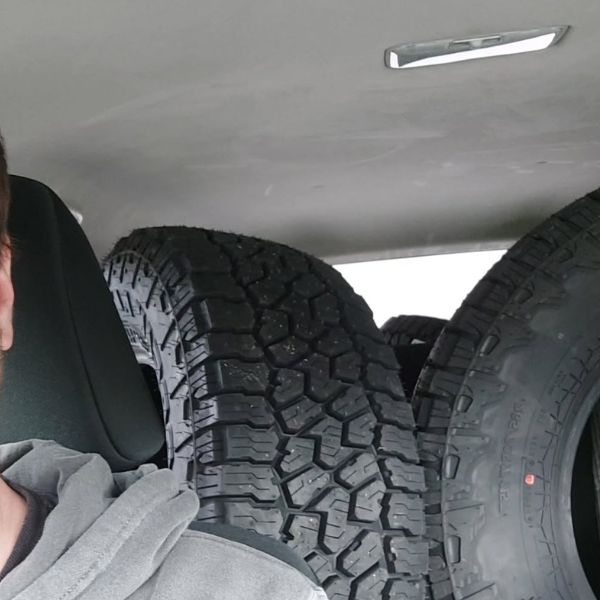
          When Your Backseat Looks Like an Off-Road Tire Shop – Falken AT4W Delivery Day

          Dry Performance — Toyo Quicker on Its Feet, Falken More Steady

          From the dataset, the Toyo AT3 stops in 131.5 feet with 0.78 g cornering, while the Falken AT4W measures 131.8 feet with 0.72 g. Those numbers look close, but they feel different behind the wheel. Toyo turns in sharper and brakes with more urgency, almost like it wants to play. Falken, meanwhile, feels calmer, slower to rotate into a corner, but holds steady once it’s there.

          Owners echo this split. On Tacoma forums, Toyo gets called “surprisingly sharp for an A/T,” while early AT4W drivers highlight “predictable and composed.” From my short drive, I felt Toyo track cleaner in lane changes, while Falken gave more confidence under weight.

          • SUVs & crossovers: Toyo livelier, Falken steadier

          • ½-tons: Toyo more fun for daily handling, Falken more relaxed

          • ¾-ton & HD trucks: Falken steadier with heavy rigs, Toyo loses some composure under load

          👉 Verdict: Toyo gives sharper dry response, Falken favors stability and control when things get heavier.

          Wet Performance — Falken Bites Early, Toyo Stretches Stops

          In rain, the numbers tell the story: Falken stops in 171 feet with 0.58 g traction, while Toyo runs longer at 185 feet with 0.50 g. On wet asphalt, Falken felt like it grabbed sooner and tracked straighter; Toyo still felt predictable, but it needed noticeably more space to stop.

          Drivers online say the same: Falken “locks in through puddles,” Toyo “fine but asks for earlier braking.” That’s the engineering difference — Falken’s silica-rich compound and dense siping give more bite, while Toyo’s harder rubber favors wear and off-road strength.

          • SUVs & crossovers: Falken safer in heavy rain

          • ½-tons: Falken inspires confidence; Toyo manageable with margin

          • ¾-ton & HD trucks: Falken still better, though Toyo steadies under weight

          👉 Verdict: Falken is the stronger wet performer; Toyo is predictable, but the longer stops are hard to ignore.

          Winter & Snow — Falken Claws Ahead, Toyo More Predictable

          The dataset shows the Falken AT4W stopping in 69 feet with a 41.5-foot snow launch, while the Toyo AT3 posted 74 feet and 44 feet. That margin matters in winter. Falken feels more eager to bite into cold surfaces, while Toyo rolls in smoother but slower to stop.

          On forums, Falken drivers call it “a snow-capable beast,” while Toyo users highlight “predictable, not exciting, but safe.” In my drive, Falken pushed through powder with authority, while Toyo stayed calmer on plowed roads, without the same deep bite.

          • SUVs & crossovers: Falken better for snowy commutes

          • ½-tons: Falken surer in snow-belt states; Toyo steadier if winters are lighter

          • ¾-ton & HD trucks: Falken loves the weight, Toyo stays predictable but longer to stop

          👉 Verdict: Falken wins in winter, with stronger snow traction. Toyo is adequate but not as sharp in cold grip.

          Ice — Falken Holds Grip Longer, Toyo Slides Further

          On ice, the dataset has Falken at 45 feet and Toyo at 50 feet. Both need care, but Falken’s edge is noticeable in shorter, earlier grip. Toyo lets the slide carry longer before biting, though it fades predictably rather than snapping loose.

          Forum voices match: Falken “catches sooner on black ice,” while Toyo is described as “okay if you’re gentle.” My own patch test backed that — Falken braked with a little more bite, Toyo demanded smoother steering and throttle.

          • SUVs & crossovers: Falken safer on icy mornings

          • ½-tons: Falken better when ice is mixed in with winter; Toyo tolerable if you respect limits

          • ¾-ton & HD trucks: Falken steadies with weight; Toyo slides farther but predictably

          👉 Verdict: Falken edges Toyo on ice, especially in surprise slick spots.

          Off-Road — Falken Brings Muscle, Toyo Balances

          Off-road scores highlight the gap: Falken posts 8.5 dirt / 8.2 sand / 8.5 mud / 8.8 rock, while Toyo comes in at 7.8 / 7.7 / 7.9 / 7.8. On the trail, Falken feels like a hiker with crampons — digging into rock, mud, and sand with authority. Toyo feels balanced but not as aggressive, more like a trail runner shoe than a mountain boot.

          Community feedback echoes it: Falken “grips where others spin,” Toyo “great for gravel, fine for mud, not hardcore.” My off-road runs confirmed Falken claws harder and steadies better when aired down.

          • SUVs & crossovers: Toyo is fine for fire roads; Falken is overkill unless you see real trails

          • ½-tons: Falken delivers for weekend trail rigs; Toyo works for mixed commuters

          • ¾-ton & HD trucks: Falken thrives in rock and mud under load

          👉 Verdict: Falken is the off-road winner, Toyo better for balanced, mixed-use drivers.

          Comfort & Noise — Toyo Smooth, Falken Firmer but Refined

          Comfort scores put Falken at 8.3/10 and Toyo at 8.0/10. That’s close, but feel matters. On highway miles, Toyo felt smoother and cushioned, like background music you forget. Falken was firmer, but surprisingly refined given its more aggressive bite — a steady hum that never turned harsh.

          Drivers agree: Toyo users say “quiet until 40k miles, then more drone,” while Falken’s early adopters call it “quieter than expected for how tough it looks.” In my seat, Toyo was softer; Falken was firmer but more polished in tone.

          • SUVs & crossovers: Toyo rides softer; Falken firmer but still livable

          • ½-tons: Toyo better for highway-first rigs; Falken acceptable trade for traction

          • ¾-ton & HD trucks: Falken noise blends with truck rumble; Toyo feels light under weight

          👉 Verdict: Toyo is smoother; Falken refines firmness into a tolerable hum.

          Tread Life & Longevity — Falken Promises, Toyo Proven

          The Falken AT4W carries a 65k warranty (60k LT), while Toyo owners typically see 45–55k miles with proper care. Falken’s aggressive casing and updated compound aim at more miles, but real-world proof is still building. Toyo’s track record is proven, but it can grow louder as tread wears.

          Owners note: Falken “looks like it’ll outlast,” Toyo “hit 50k with rotations, started slipping in wet.” From my review of worn sets, Toyo shows uniform wear but noisier late in life; Falken feels sturdier from the start.

          • SUVs & crossovers: Falken may last longer; Toyo solid proven record

          • ½-tons: both respectable, Falken could edge Toyo if rotated well

          • ¾-ton & HD trucks: Falken’s stronger carcass resists abuse, Toyo still decent

          👉 Verdict: Toyo is the proven performer, Falken has the higher promise if longevity is your priority.

          Where They Fit Best

          These two are among the strongest in the all-terrain market, but they fit different drivers. Toyo leans toward balanced, daily-friendly performance; Falken pushes harder into winter, wet, and off-road strength.

          • SUVs & crossovers: Toyo fits city/highway rigs with weekend trips; Falken better if you live with real winter or trails

          • ½-tons: Toyo suits mixed commuters and light-duty trucks; Falken for towing, snow, and adventure rigs

          • ¾-ton & HD trucks: Falken’s construction and traction shine; Toyo steadier if comfort matters more

          👉 Regional fit:

          • Falken AT4W: perfect for the snow belt (Northeast, Great Lakes), the Pacific Northwest, and Rocky Mountain off-roaders.

          • Toyo AT3: better in Midwest plains, Southern states, or anywhere you need a quieter, smoother daily tire with occasional off-road.

          👉 Bottom line: Choose Toyo if you want balanced, predictable comfort with good all-weather manners. Choose Falken if you need stronger wet, winter, and off-road bite — and don’t mind a firmer feel.

          🏁 Final Verdict: Which One Would I Buy?

          Both tires are top-tier A/Ts but fit different drivers. Toyo AT3 shines if your priorities are daily comfort, quieter highway miles, and proven tread life. Falken AT4W is the better match for drivers in the snow belt or wet regions, offering sharper cold-weather bite, shorter wet stops, and stronger off-road grip.

          👉 In short: Pick Toyo AT3 if your truck spends most of its life on pavement with light trail use. Choose Falken AT4W if you want all-weather safety, snow confidence, and more trail capability, even if it means a firmer ride.

          Frequently Asked Questions: Toyo AT3 vs Falken AT4W

          • Which tire is better on dry roads?
            Toyo is quicker and more responsive (131.5 ft, 0.78 g), while Falken is steadier (131.8 ft, 0.72 g) and holds better under weight.

          • Which tire is safer in rain?
            Falken. It stops shorter at 171 ft (0.58 g), compared to Toyo’s longer 185 ft (0.50 g).

          • How do they perform in snow?
            Falken claws harder with a 69-ft stop and 41.5-ft launch. Toyo is predictable but slower at 74-ft stop and 44-ft launch.

          • Which tire handles ice better?
            Falken grabs earlier (45 ft), while Toyo slides further (50 ft) but stays predictable.

          • Which is stronger off-road?
            Falken dominates (8.5 dirt, 8.5 mud, 8.8 rock). Toyo is balanced (~7.8 across categories) but less aggressive.

          • Which tire is quieter and more comfortable?
            Toyo rides smoother (8.0/10), while Falken is firmer but refined (8.3/10).

          • Which lasts longer?
            Toyo is proven at 45–55k miles. Falken offers a longer 65k warranty but is newer, so long-term proof is still building.

          • Which tire fits heavy-duty trucks better?
            Falken’s stronger carcass and higher off-road scores suit HD rigs. Toyo is better for lighter trucks and daily use.

          Filed Under: All Terrain Tires Tagged With: falken, Falken Wildpeak AT4W, toyo, Toyo Open Country at3

          Toyo Open Country AT3 vs R/T Trail — Expert Winter & Snow Performance Comparison in 2025

          Updated: December 4, 2025 by Emrecan Gurkan Leave a Comment

          The Toyo Open Country A/T III and the R/T Trail are massive players in the light truck world, but they’re not equals. The R/T Trail is a Rugged Terrain tire, built specifically for extreme off-road traction and durability. The A/T III? That’s your high-mileage All-Terrain, engineered for maximizing on-road performance and tread life.

          Crucially, while much of the raw data is derived from SL (Standard Load) metric tires, our focus here is strictly on the demanding LT (Light Truck) specification. This is where Toyo’s construction truly matters, and it’s how we’ll measure which tire better suits your truck.

          Close-up of a Toyo Open Country R/T Trail tire mounted on a white truck with black FN wheels, showing its aggressive tread and sidewall design for off-road performance.
          Toyo Open Country R/T Trail — combining mud-terrain traction with daily drivability.

          At a Glance

          Toyo Open Country A/T III

          Toyo Open Country A/T III tire
          Tested Rating: 8.5/10

          Trusted Retailers with Best Deals:

          Tire Rack
          Free road-hazard coverage Backed by Discount Tire
          SimpleTire
          Financing options Local installers
          Amazon
          Prime shipping Direct from brands

          Toyo Open Country R/T Trail

          Toyo Open Country R/T Trail tire
          Tested Rating: 8.1/10

          Trusted Retailers with Best Deals:

          Tire Rack
          Free road-hazard coverage Backed by Discount Tire
          SimpleTire
          Financing options Local installers
          Amazon
          Prime shipping Direct from brands

          In summary, both the Toyo Open Country AT3 and Toyo Open Country R/T Trail share a similar construction that delivers a smooth driving experience. The AT3 is the quieter option with better longevity, thanks to its stiffer compound, making it a strong everyday performer. The R/T Trail, on the other hand, shines in mud and snow traction with its aggressive evacuation capability, making it a smart choice for ¾-ton and larger trucks in snowy regions, even though it lacks the 3PMSF marking. Both offer reliable wet performance, but with the R/T Trail, drivers should be cautious of hydroplaning risk in heavy rain.

            Dry On-Road Command: Grip and G-Force

            MetricToyo Open Country A/T IIIToyo Open Country R/T TrailConclusion
            Dry Stopping (60–0 mph, ft)134.0137.0A/T III stops 3 ft shorter
            Dry Cornering (g-force)0.720.70A/T III has higher lateral grip

            Dry handling is a function of casing stability, tread design, and compound rigidity. While both are built tough with 3-ply sidewalls (LT specs) for heavy duty use, the A/T III demonstrates superior on-road performance due to its compact, interlocked center tread and slightly narrower stance. This design yields crisper Steering Response and less block squirm.

            The data confirms this: the A/T III outperforms the R/T Trail in both key dry metrics: it stops 3 feet shorter (134.0 ft vs. 137.0 ft) and registers a higher Dry Cornering g-force (0.72 g vs. 0.70 g), indicating superior absolute grip during lateral maneuvers.

            The R/T Trail, with its stiffer sidewalls, variable pitch design, and 0.5-inch wider footprint, prioritizes load stability and ride comfort over absolute handling and responsiveness. In summary, both LT tires excel for 3/4-ton+ trucks, but for owners of 1/2-ton trucks or SUVs who favor aggressive handling, the A/T III offers the clear performance edge.

            Wet Performance: Hydroplaning and Compound Chemistry

            MetricToyo Open Country A/T IIIToyo Open Country R/T TrailVerdict
            Wet Stopping (60–0 mph, ft)164.0184.0A/T III stops 20 ft shorter
            Wet Traction (Standing)0.570.49A/T III has ~16% better grip

            Listen up, this is where you stop thinking about looks and start thinking about emergency stopping. Wet performance in an A/T tire is a balancing act. it is all about dumping water fast, and this is where the A/T III absolutely crushes the R/T Trail.

            Braking: The 20-Foot Difference

            You talked about hydroplaning, and that is exactly what the data screams. Hydroplaning happens when the tire floats. the water cannot get out fast enough. While both tires have circumferential grooves, the R/T Trail’s variable pitch design with its huge lugs is simply less efficient at high speeds. The A/T III has a much tighter design and better siping density.

            The result? The A/T III stops an insane 20 feet shorter (164.0 ft vs. 184.0 ft) in the 60-0 mph test. That is essentially a five-car-length difference in an emergency stop. If you live anywhere that sees serious rain, or you run at highway speeds, this single number makes the A/T III the undisputed winner on wet safety.

            Wet Traction and Compound

            Wet traction is driven by sipes (the tiny slits) and the compound’s ability to remain tacky. You noted the A/T III has better siping, while the R/T Trail has a slightly softer compound. In this case, the A/T III’s superior siping (which is key to gripping wet asphalt) clearly wins out, delivering 16% better standing wet traction (0.57 vs. 0.49). This reinforces why the A/T III earns those higher speed ratings.

            Overall, both tires technically deliver satisfactory wet performance, but if wet traction and braking safety are a top priority, especially in LT sizes, the Open Country A/T III is the clear technical choice.

            Note from the Expert: When it comes to rain, I always emphasize two things: compound grip and water evacuation. You can see the full details in my analysis, but if you take just one thing away, remember that an AT tire’s stiff nature makes achieving top-tier wet performance a constant battle. This is why the question, Are All-Terrain Tires Good in Rain?, requires a nuanced answer that balances tread design against rubber stiffness.

            Winter Performance: Snow, Ice, and the 3PMSF

            A closer look to Toyo Open Country AT3. Sipes works perfectly on light snow conditions

            Winter performance is complex, pitting the benefits of deep tread self-cleaning against the necessity of siping and compound flexibility for ice. This is the ultimate trade-off battle.

            MetricToyo Open Country A/T IIIToyo Open Country R/T TrailVerdict
            Winter Stopping (25–0 mph, ft)75.1076.20A/T III stops **1.1 ft shorter**
            Snow Acceleration (0–12 mph, sec)42.7041.40R/T Trail **1.3 sec** quicker
            Stopping Distance Ice (ft)46.5053.60A/T III stops **7.1 ft shorter**

            The R/T Trail is built for pure forward mobility in snow. Its softer compound, aggressive sidewall biters, and excellent self-cleaning capabilities give it a massive edge in loose, deep snow, confirmed by it being 1.3 seconds quicker in Snow Acceleration (41.40 sec vs. 42.70 sec).

            However, the A/T III is the undisputed safety champion in all slick-surface braking tests. Its design, featuring more siping and a compact contact patch, stops the truck 1.1 feet shorter in mixed Winter Stopping (75.10 ft vs. 76.20 ft) and a crucial 7.1 feet shorter on pure Ice (46.50 ft vs. 53.60 ft). This superior braking margin is non-negotiable for daily drivers and anyone prioritizing safety on slush and ice, especially for SUVs and half-ton trucks.

            In summary, the A/T III is the superior overall winter tire due to its immense stopping advantage. The R/T Trail is a strong specialized choice only if deep snow starting traction for a heavy duty truck (3/4 ton+) is your top priority.

            Note from the Expert: Our discussions often boil down to the core tradeoff. On one hand, you must understand why all-terrain tires are truly effective in deep snow, but not on ice. On the other hand, you face the 3PMSF Paradox—the hidden cost of that badge. The short answer is: The 3PMSF badge certifies traction, but it costs you durability. Dive into our full analysis on the critical 3PMSF rating for severe winter and off-road service, and its hidden costs, before you risk your rig on the trail.

            Noise and Comfort: The Daily Driver Test

            MetricToyo Open Country A/T IIIToyo Open Country R/T TrailVerdict
            Noise & Comfort (Score)6.005.67A/T III slightly quieter

            Riding comfort is closely tied to the uniformity of a tire, and large, aggressive tires often sacrifice comfort for durability. In the case of these two Toyos, both offer highly decent options given their construction.

            The data confirms that the Toyo Open Country A/T III is marginally quieter and smoother, scoring 6.00 vs. the R/T Trail’s 5.67. The A/T III achieves this comfort through its more flexible sidewalls and evenly distributed void area, which are better for absorbing small road imperfections and road resonance.

            The R/T Trail benefits from its three-variable pitch pattern designed to break up noise frequencies, but this is offset by its inherently stiffer sidewalls and more aggressive side lugs. While the variable pitch helps, the rugged design is ultimately the louder option.

            Overall, both tires offer a high level of riding comfort considering their off-road capability, but if road noise is a priority, the A/T III is the measurable winner.

            Tread Life

            Tread life is the final test of a tire’s design, boiling down to compound stiffness and how the contact patch distributes load. While specific mileage figures are impossible to guarantee, we can predict usage based on engineering.

            The Toyo Open Country A/T III is engineered for longevity. Its stiffer compound and more evenly distributed void area (smaller, tighter tread blocks) minimize flex and reduce heat buildup on the highway. This grants the A/T III a clear advantage in tread life, making it the superior choice for SUVs and 1/2-ton trucks. The only potential drawback is that its higher siping density is great for ice, it can introduce marginally faster wear under the extremely high torque and weight of 3/4-ton or 1-ton trucks.

            The Toyo Open Country R/T Trail is built for puncture resistance and durability, not necessarily maximum mileage. Its aggressive, larger tread blocks and wider voids are designed to bite, not necessarily roll smoothly. While it is highly robust and ideal for Jeeps and heavy-duty pickup trucks seeking aggressive looks and superior off-road reliability, you should expect a shorter lifespan compared to the A/T III.

            In summary, the Toyo Open Country A/T III generally offers longer tread life due to its engineering focus on asphalt. The R/T Trail is a better option when an aggressive tread pattern and off-road durability are prioritized over maximizing mileage.

            Getting maximum wear life from a tire is related to you as well as your tire,

            If you’d like to learn how to get maximum tread life:

            https://tireterrain.com/how-to-make-tires-last-longer/

            Fuel Efficiency and Rolling Resistance

            Fuel efficiency hinges on rolling resistance, which engineers define using three variables: weight, compound stiffness, and tread pattern (or aerodynamic drag).

            You noted that the Toyo Open Country A/T III and the R/T Trail share a similar carcass design, leading to nearly identical weights for shared sizes. This minimizes the weight difference as a variable.

            The main difference lies in the tread pattern:

            1. A/T III Advantage: The A/T III’s stiffer compound and more compact tread blocks generally provide lower rolling resistance, making it the better choice for smaller vehicles (SUVs and 1/2-ton trucks).

            2. Heavy Duty Exception: However, you astutely point out that the A/T III’s siped pattern—which allows for more tread movement—could be a slight disadvantage for high-torque 3/4-ton or above pickup trucks compared to the R/T Trail’s block stability.

            Ultimately, the data suggests the difference in fuel efficiency between the two tires is not substantial. While the A/T III holds a theoretical edge due to lower inherent rolling resistance, drivers should focus on performance and durability trade-offs, not MPG differences.

            Off-Road Capability: Dirt, Mud, and Rock

            MetricToyo Open Country A/T IIIToyo Open Country R/T TrailVerdict
            Offroad Dirt (Score)8.88.8Tie
            Offroad Sand (Score)8.78.8R/T Trail slightly better
            Offroad Mud (Score)8.28.5R/T Trail better
            Offroad Rock (Score)8.28.5R/T Trail better
            Average Off-Road Score8.4758.650R/T Trail wins

            This is the R/T Trail’s natural habitat, where its aggressive design pays dividends. While both tires share crucial features like cut-and-chip resistant compounds and stone ejector blocks for excellent Gravel traction, the R/T Trail’s specialized engineering grants it the overall performance crown.

            Dirt: The R/T Trail’s impressive self-cleaning capability gives it an edge in general dirt conditions. However, the A/T III’s higher sipe density provides a better bite and stability in mild, hard-packed dirt, leading to comparable overall performance scores in this environment.

            Mud and Rock: This is where the R/T Trail dominates. Its wider void area and variable pitch design work together to maximize self-cleaning and traction in mud (8.5 vs. 8.2). On rocky terrain, the R/T Trail’s more aggressive pattern and stiffer side lugs are particularly beneficial on sloping or technical surfaces (8.5 vs. 8.2). While the A/T III is capable, its compound is likely to wear more quickly when subjected to the torsional stress of heavy mud and sharp rocks.

            In summary, the Toyo Open Country R/T Trail is the clear winner for enhancing off-road capability, securing a higher Average Off-Road Score (8.650 vs. 8.475). The A/T III remains a highly solid option for occasional off-road adventures.

            When it comes to dirt, the self-cleaning capability of the Toyo R/T Trail is impressive. However, the higher sipe density of the Toyo Open Country AT3 provides an advantage, especially in mild dirt conditions. In conclusion, both tires perform well on dirt terrain.

            Mud is where the Toyo Open Country R/T Trail outperforms the Toyo Open Country AT3. Its wider void area and variable pitch design work together to effectively handle muddy conditions. While the Toyo Open Country AT3 performs decently in mud, it may wear more quickly.

            Lastly, on rocky terrains, the more aggressive pattern of the Toyo Open Country R/T Trail is particularly beneficial, especially on sloping surfaces. However, it’s worth noting that the Toyo Open Country AT3 still performs well in rocky conditions, although it may experience faster wear.

            In summary, if you want to enhance your off-road capability, the Toyo Open Country R/T Trail is an excellent choice. On the other hand, the Toyo Open Country AT3 remains a solid option for occasional off-road adventures.

            Note from the Expert: Every successful day on the trail is about preparation and physics, because tire longevity is earned, not given. Before you even start, you must master the critical link between tire pressure and load range for every rig to maximize your contact patch. Once moving, remember your ultimate off-road armor is your sidewall protection against the inevitable pinch flat. And finally, your traction on the obstacle is dictated by choosing the right aggressive vs hybrid tread pattern for your terrain. Master those three steps, and your rig will be ready for anything.

            Specification Comparison for Popular Sizes

            Summary of their AT tire ratings based on Toyo's perspective

            Tire Size Selection: The Basics You Can’t Skip

            Even the best tread design can’t rescue a tire that’s built too weak. Back when I was testing tires at Bridgestone, I saw all-terrain models that should’ve performed but fell short — simply because the basics (size, load strength, and speed rating) weren’t matched to the vehicle.

            P-Metric vs. LT (Light Truck) Tires

            The first step is knowing whether you need LT or passenger tires. LT (Light Truck) tires are built with extra reinforcement and stiff sidewalls, designed for towing, hauling, or off-road use. Passenger (P-metric) tires are lighter, smoother, and tuned for daily comfort and fuel efficiency — but they’ll flex more under load.

            Understanding Tire Load Range: XL vs. E-Load

            Then comes the tire load index and load range — essentially your tire’s strength rating. Here’s where things split between passenger XL and LT E:

            • XL (Extra Load) is a passenger tire with reinforced sidewalls. It can handle a bit more pressure (~41 PSI) than a standard SL tire and is perfect for SUVs, crossovers, or light trucks that carry extra gear, passengers, or small trailers. XL tires ride softer and quieter than LT options, making them ideal for daily use.

            • E Load Range is an LT tire class built with a much thicker casing. E-rated tires can handle far more pressure (up to ~80 PSI) and heavier loads, which makes them essential for ¾-ton and 1-ton trucks towing trailers or hauling close to max capacity. The trade-off is weight, stiffer ride, more road noise, and a small drop in fuel efficiency.

            Put simply: XL is for “extra luggage and family,” while E is for “truck bed full of bricks or a car trailer.”

            Why the Tire Speed Rating Matters for Safety

            Finally, don’t overlook the tire speed rating. It’s not just about top speed — it measures how well a tire handles heat and stress at highway pace. Lower ratings (like S) tend to ride softer and last longer, while higher ratings (H, T) feel more stable and responsive under sharp maneuvers. Heat build-up is the silent killer of tires, and speed rating is your safeguard.

            Bottom line: Match your tire’s construction (LT vs P-metric), load range (XL vs E), and speed rating to your vehicle’s demands. Get those right, and everything else — off-road grip, winter traction, comfort — will finally perform the way it was designed to.

            Conclusion and Final Recommendation

            Toyo Open Country AT3 and Toyo Open Country R/T Trail both exhibit excellent on-road performance characteristics. While the Toyo Open Country R/T Trail is primarily recommended for 3/4 ton or larger vehicles, owners of 1/2 ton trucks and SUVs can opt for the Toyo Open Country AT3 if they don’t engage in severe off-roading activities.

            The data confirms that the A/T III is the superior choice for on-road safety (Dry, Wet, and Ice Braking) and daily comfort, while the R/T Trail is the better choice for structural durability and aggressive off-road performance (Mud and Rock).

            I hope the article was helpful. If you have any further questions, please leave a comment below. Have a safe ride folks!

            Filed Under: All Terrain Tires, Rugged Terrain Tires Tagged With: Comparisons, toyo, Toyo Open Country at3, Toyo Open Country R/T Trail

            • Page 1
            • Page 2
            • Page 3
            • Go to Next Page »

            Primary Sidebar

            Find Tires

            Contact Channels

            • Email
            • Facebook
            • LinkedIn
            • Twitter

            High-End Tires by Category

            Best All-Terrain Tires

            Best Rugged-Terrain Tires

            Best Mud-Terrain Tires

            Best All-Season Tires for Snow

            Best Tires for Snow Plowing

            Best Semi-Truck Tires

            Categories

            Copyright © 2026

            • Disclaimer
            • About Me
            • Contact
            • Privacy Policy